
Understanding Prediction Markets: A Comprehensive Guide
In recent years, prediction markets have emerged as an innovative way to aggregate diverse opinions and forecast future events. By allowing participants to buy and sell shares in the outcomes of specific future events, prediction markets harness the collective knowledge of the crowd. The mechanics behind these markets are straightforward yet powerful, letting users speculate on everything from political elections to sporting events. If you’re curious about how these markets work and their potential applications, we’ve put together an extensive guide that covers all the essential aspects, including the role of platforms like prediction markets https://dexsport.io/casino/ that leverage such forecasting tools.
What Are Prediction Markets?
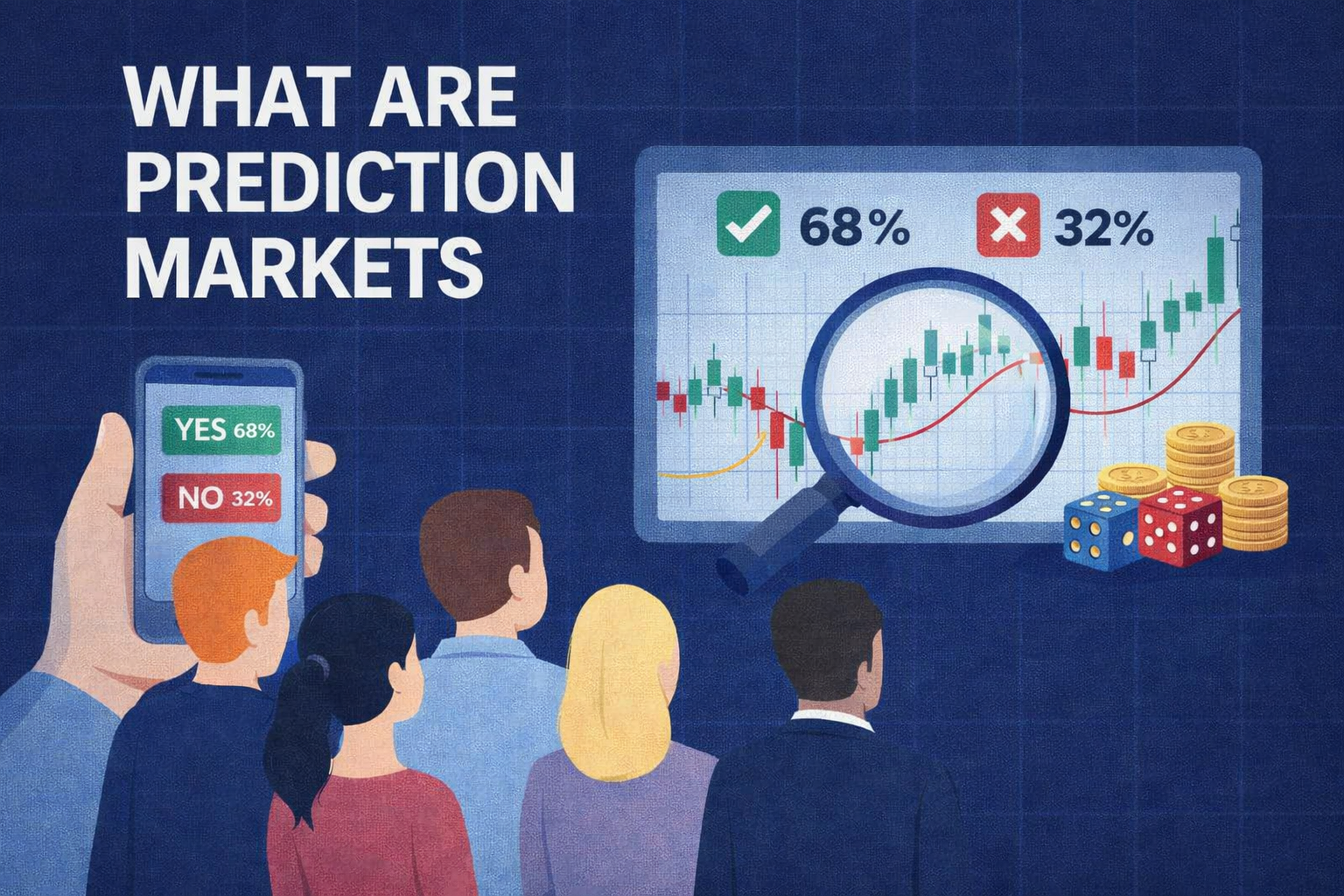
Prediction markets, sometimes referred to as information markets or betting markets, are exchange platforms where individuals can trade contracts that pay out based on the occurrence of specific events. The price of these contracts reflects the market’s expectation of the event’s likelihood.
For example, if a market exists for whether a particular candidate will win an election, a share in that outcome may trade at $0.70, implying a 70% perceived chance of winning. Through this mechanism, prediction markets aggregate information from various participants, creating a more accurate forecast than individual opinion polling.
Mechanics of Prediction Markets
The basic mechanics of prediction markets are relatively simple. Participants buy and sell shares based on their predictions of future outcomes. These markets can operate in various forms, including:
- Market-Based Mechanism: Prices fluctuate based on supply and demand, similar to stock markets. A rising price indicates increased confidence in an outcome.
- Binary Options: Participants wager on a yes/no outcome; for example, will a candidate win an election? Contracts are priced at $0 or $1 depending on the actual outcome.
- Continuous Double Auction: This setup allows participants to submit bids and offers, resulting in a continuous pricing mechanism where market dynamics reflect real-time expectations.
Popular Platforms for Prediction Markets
There are several platforms available for those interested in participating in prediction markets. Some of the most prominent include:
- Betfair: One of the largest betting exchanges in the world, Betfair allows users to place bets on various outcomes, including sports and political events.
- PredictIt: This platform focuses specifically on political prediction markets. Users can trade on a range of political events, thereby providing insights into electoral outcomes.
- Augur: A decentralized prediction market platform built on the Ethereum blockchain, Augur allows for the creation of prediction markets on a wide range of topics, leveraging blockchain technology for transparency.
Applications of Prediction Markets
Prediction markets have a variety of applications across numerous sectors:
- Political Forecasting: By aggregating the information and opinions of the crowd, prediction markets can provide valuable insights into electoral outcomes, potential policy shifts, and public sentiment.
- Event Outcomes: Be it predicting the outcome of a sporting event or an entertainment award show, prediction markets allow fans to engage with their interests on a deeper level.
- Business Forecasting: Companies can use prediction markets as a strategic tool to gauge market trends, product launches, or even internal project outcomes.
- Climate Change Predictions: Researchers use prediction markets to assess the likelihood of various climate scenarios, helping in the planning and response efforts related to climate change.
Advantages of Prediction Markets
Some key advantages of prediction markets include:
- Diverse Information Aggregation: They condense information from a wide range of participants, leading to potentially more accurate forecasts compared to traditional polling methods.
- Real-Time Insights: The dynamic pricing of shares reflects real-time sentiment, offering immediate insights into public opinion and expectations.
- Encouragement of Research: Participants often conduct thorough research to make informed trades, which can contribute to the overall accuracy of the market.
Challenges and Criticisms
Despite their advantages, prediction markets face several challenges and criticisms:
- Regulation: Many jurisdictions impose legal constraints on prediction markets, considering them forms of gambling, which can limit participation and growth.
- Manipulation Risks: Given the open nature of trading, these markets are susceptible to manipulation by individuals or groups with significant resources.
- Market Inefficiencies: Sometimes, prediction markets do not always reflect reality accurately, particularly in volatile or low-information scenarios.
The Future of Prediction Markets
Looking ahead, prediction markets have great potential to reshape how we forecast various outcomes. As technology advances and more decentralized platforms become available, we may see broader participation across diverse demographics. Projects like Augur and Gnosis are already paving the way for community-driven prediction markets that operate without centralized control.
Moreover, with the increasing focus on data-driven decision-making, businesses and governments may leverage prediction markets more fr
equently to inform strategic choices. As public awareness grows and legal frameworks adapt, we may see an expansion of these markets, leading to even more accurate predictions across multiple fields.
Conclusion
In conclusion, prediction markets offer a fascinating glimpse into the future of forecasting. By harnessing the collective wisdom of participants, these markets can provide insights that are valuable across a variety of sectors. While they face challenges such as regulation and potential manipulation, the innovative spirit behind prediction markets is likely to drive their evolution and acceptance in the years to come. Understanding how they work and their applications can empower individuals and organizations to make better-informed decisions.